Most medical device OEMs assume the biggest cost and schedule risks in bringing a new product to market sit downstream — in tooling, in validation, in scale-up. In practice, the highest-leverage stage of the entire product lifecycle isn’t manufacturing. It’s the handful of decisions made before a single part is molded. Geometry, tolerances, material selection, and feature design set the ceiling on what’s achievable in production long before tooling is ever cut, and the cost of correcting any one of those decisions climbs fast the later it happens. By the time a flawed geometry, an unproven material, or an unvalidated tolerance reaches production tooling, the fix isn’t a redline on a drawing — it’s a re-cut mold, an increase in budget, and a delayed launch.
The Cost of a Design Decision Doesn’t Show Up Until Production
The rule of thumb across medical device development is well documented: the cost of a design change increases by roughly an order of magnitude at each stage from concept to launch. A change that costs nothing in CAD can cost thousands of dollars and weeks of delay once it requires modifying a hardened steel mold — and it costs more than that again once it surfaces after tooling, sampling, and process validation are already behind it. For an OEM working against a funding milestone, a launch window, or a board-approved budget, that’s not an abstract engineering metric. It’s the program timeline and the program budget sitting exposed on a spec sheet.
Design for Manufacturability: Building the Product Right the First Time
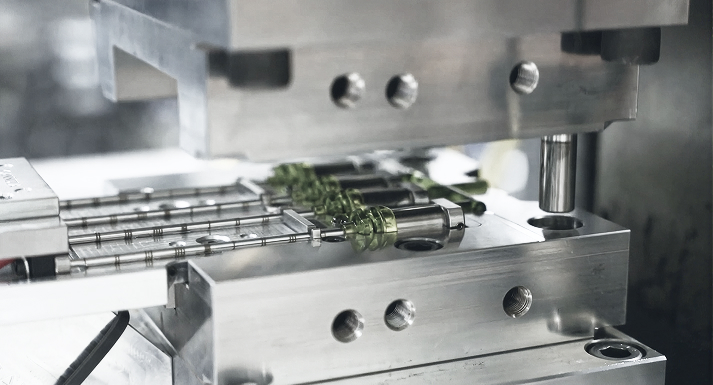
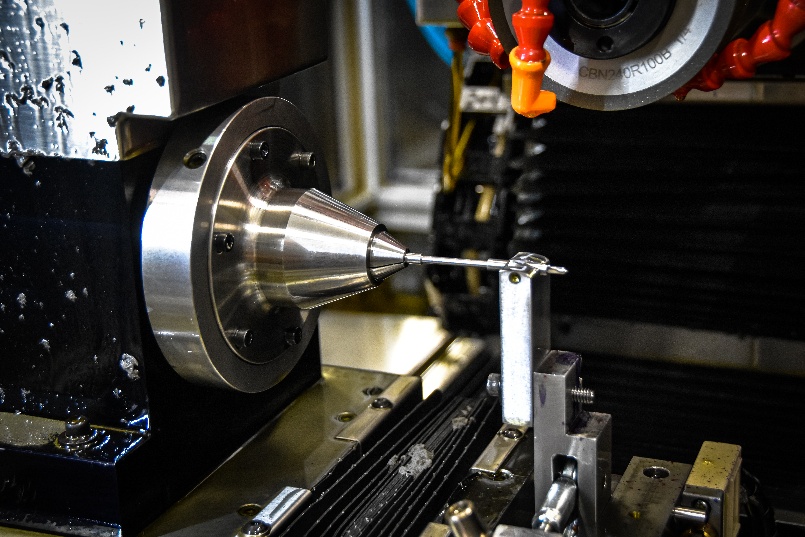
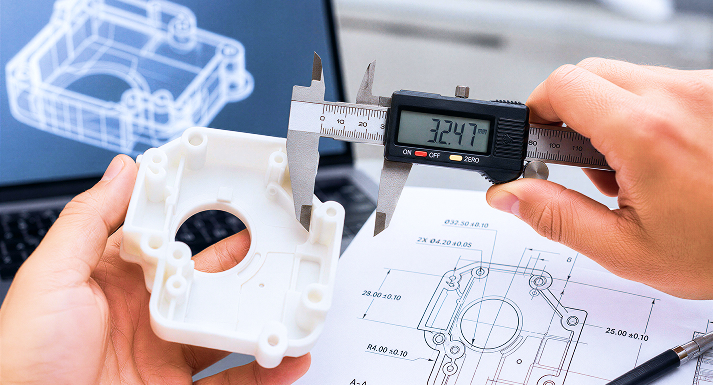
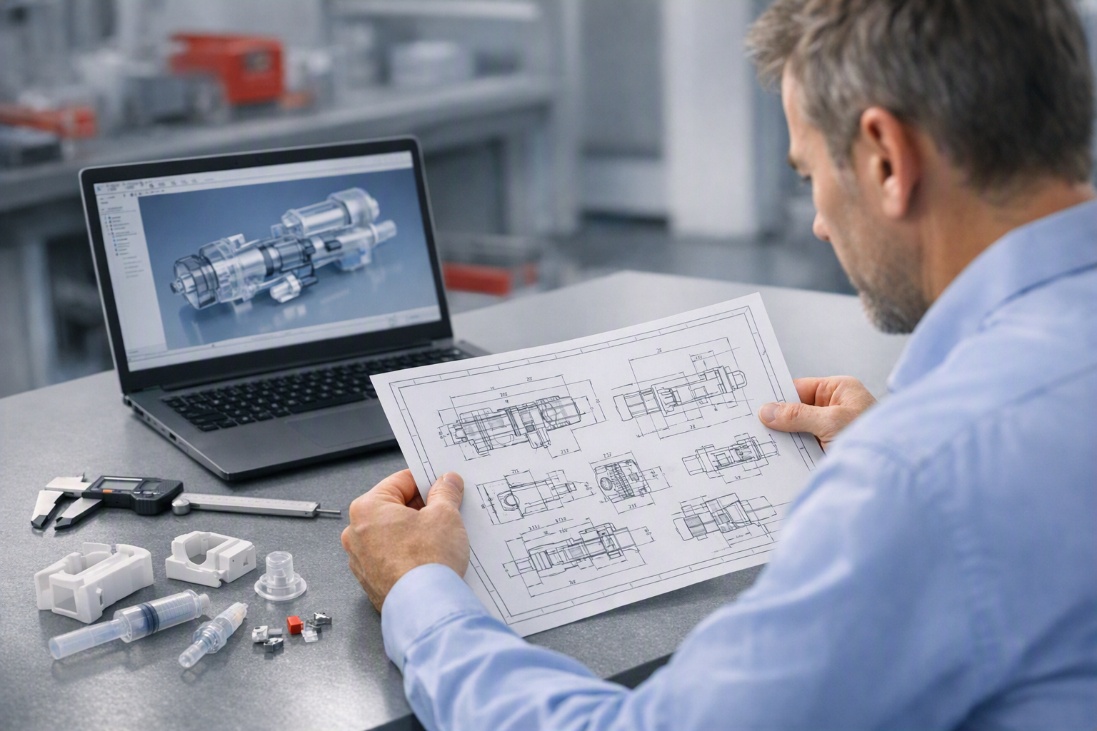
Design for manufacturability (DFM) only creates value when it happens before tooling is committed, not as a post-mortem after first article inspection. Red Star’s engineering team reviews part geometry, tolerances, material selection, and feature design against the realities of our own in-house injection molding, precision machining, and assembly floor — not a generic checklist — so design intent and production capability are reconciled while changes still cost a CAD revision instead of a re-cut mold. The goal is a design that holds tolerance in volume production the same way it did in the first sample run.
Selecting the Right Material Before It’s Locked In
Material selection is a manufacturability decision as much as a performance decision. Strength, flexibility, chemical resistance, and sterilization compatibility all have to be evaluated together with part geometry, tooling, and production tolerances — and because Red Star runs molding, assembly, and sterile barrier packaging under one roof, material decisions get pressure-tested against downstream sterilization method and packaging validation requirements early, instead of surfacing as a conflict after the device is already in DHF.
READY TO PRESSURE-TEST YOUR DESIGN BEFORE YOU TOOL IT?
Talk to Red Star’s engineering team about design for manufacturability review, material selection, and rapid prototyping before you commit to production tooling.
Rapid Prototyping: Prove It Before You Tool It
Functional prototypes let OEM teams evaluate fit, form, function, and usability while changes are still cheap, and incorporate feedback quickly instead of waiting for a full tooling cycle to find out a feature doesn’t work as intended. Every design or manufacturing challenge caught at the prototype stage is one that never shows up as a change order after validation has started.
Cost Optimization Without Compromising Quality or Compliance
Lowering total cost of ownership isn’t about cutting corners — it’s about evaluating part geometry, tolerances, materials, tooling, automation, assembly, and packaging together, early enough that upfront investment can be balanced against long-term production volume rather than locked in by default.
- Design for manufacturability review of part geometry, tolerances, materials, and features before tooling investment
- Medical-grade material selection that balances performance, manufacturability, and sterilization compatibility
- Rapid prototyping to validate fit, form, and function ahead of production tooling
- Cost optimization across design, tooling, automation, and packaging to lower total cost of ownership
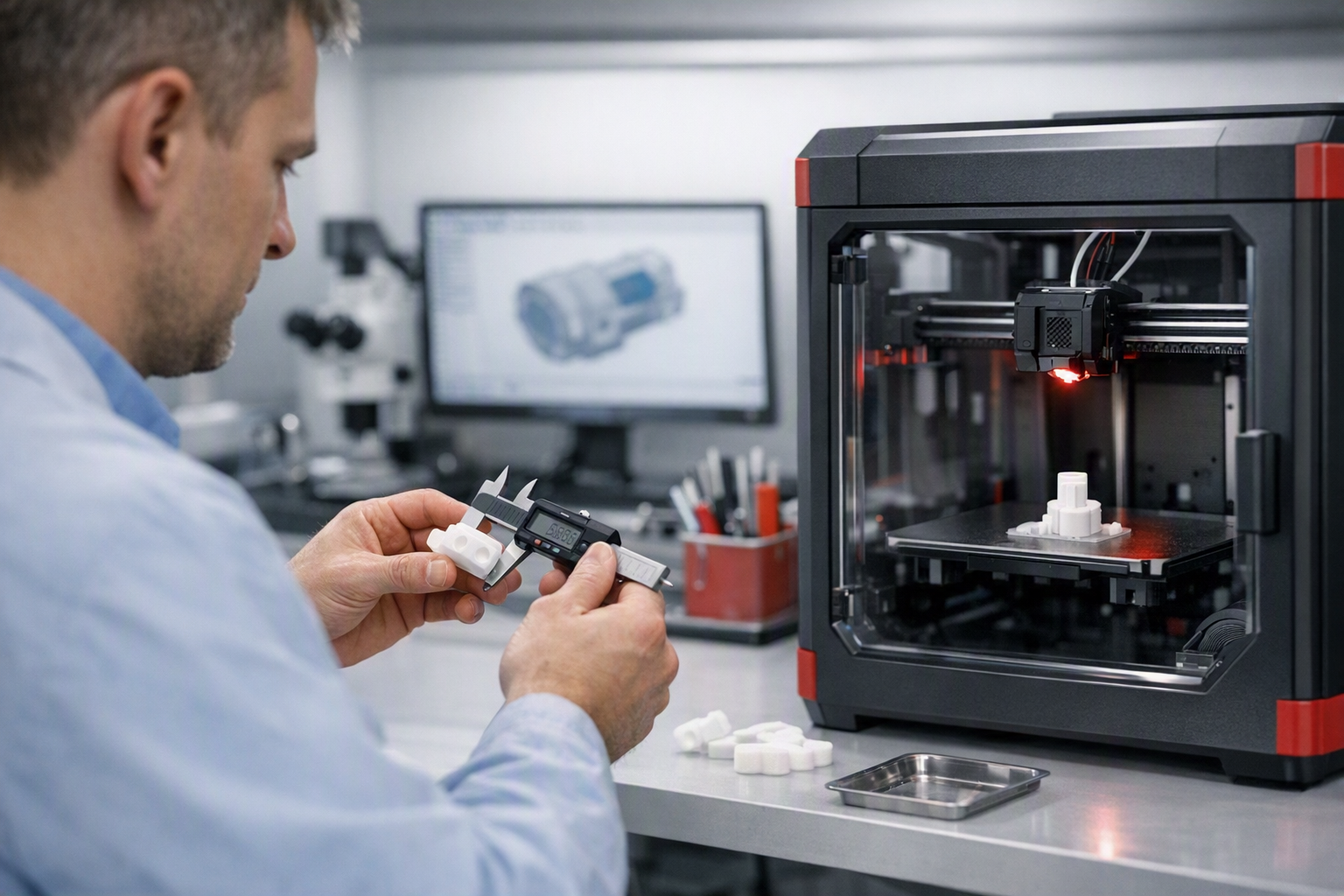
None of this works as a checklist bolted onto the end of a design phase — it works because the same engineering team making DFM and material recommendations sits alongside the molding, machining, cleanroom assembly, and packaging operations that will eventually build the device. That’s the difference between a device that looks good on a drawing and a device that’s designed to be built. For OEMs working toward a 510(k) submission, a design freeze, or a first production run, that’s the stage where Red Star adds the most value — well before the first mold tool is cut.