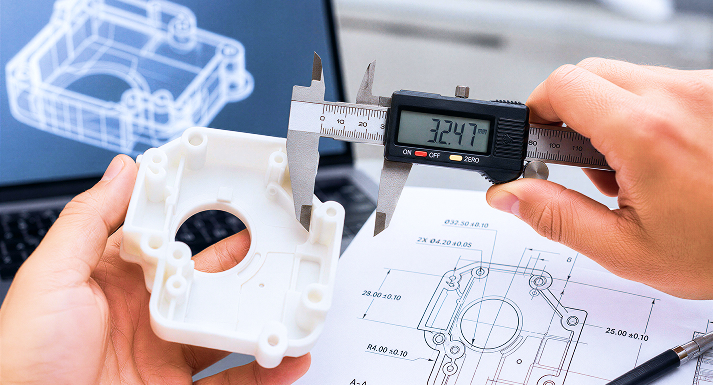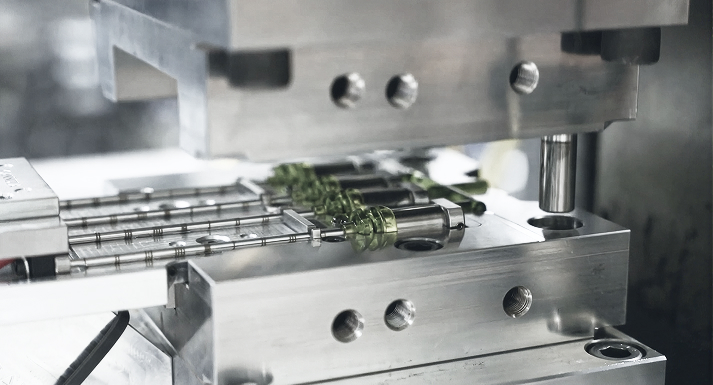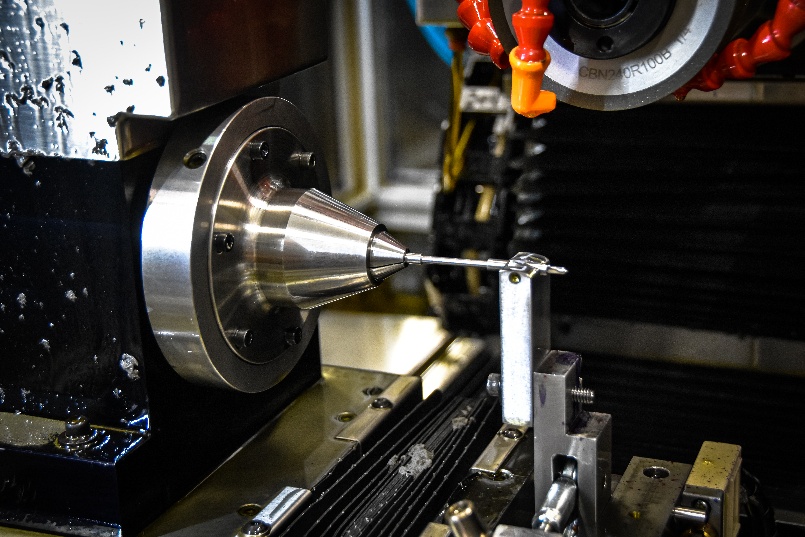
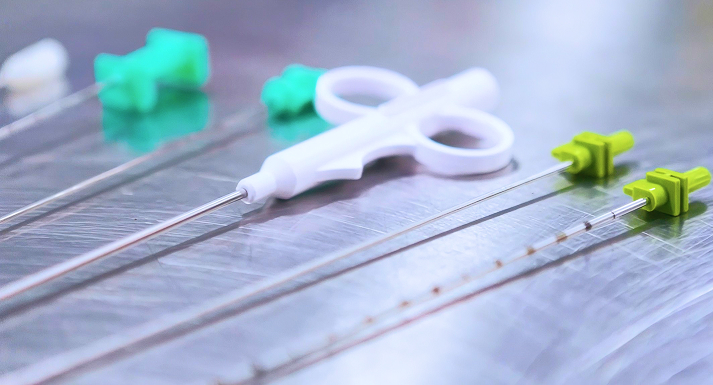
By the time components reach final assembly, most of the engineering, molding, and machining decisions that determine device performance are already locked in. What happens next carries just as much weight: welding, cannula and needle integration, marking, cleaning, and the dozens of manual and automated steps that turn a set of finished components into a device that performs the same way every time it’s opened. Assembly is where a well-designed, well-machined part comes together into a consistent, traceable, production-ready device — the stage where the precision built in earlier finally pays off in the finished product.
Consistency Starts With Documented Processes, Not Just a Controlled Room
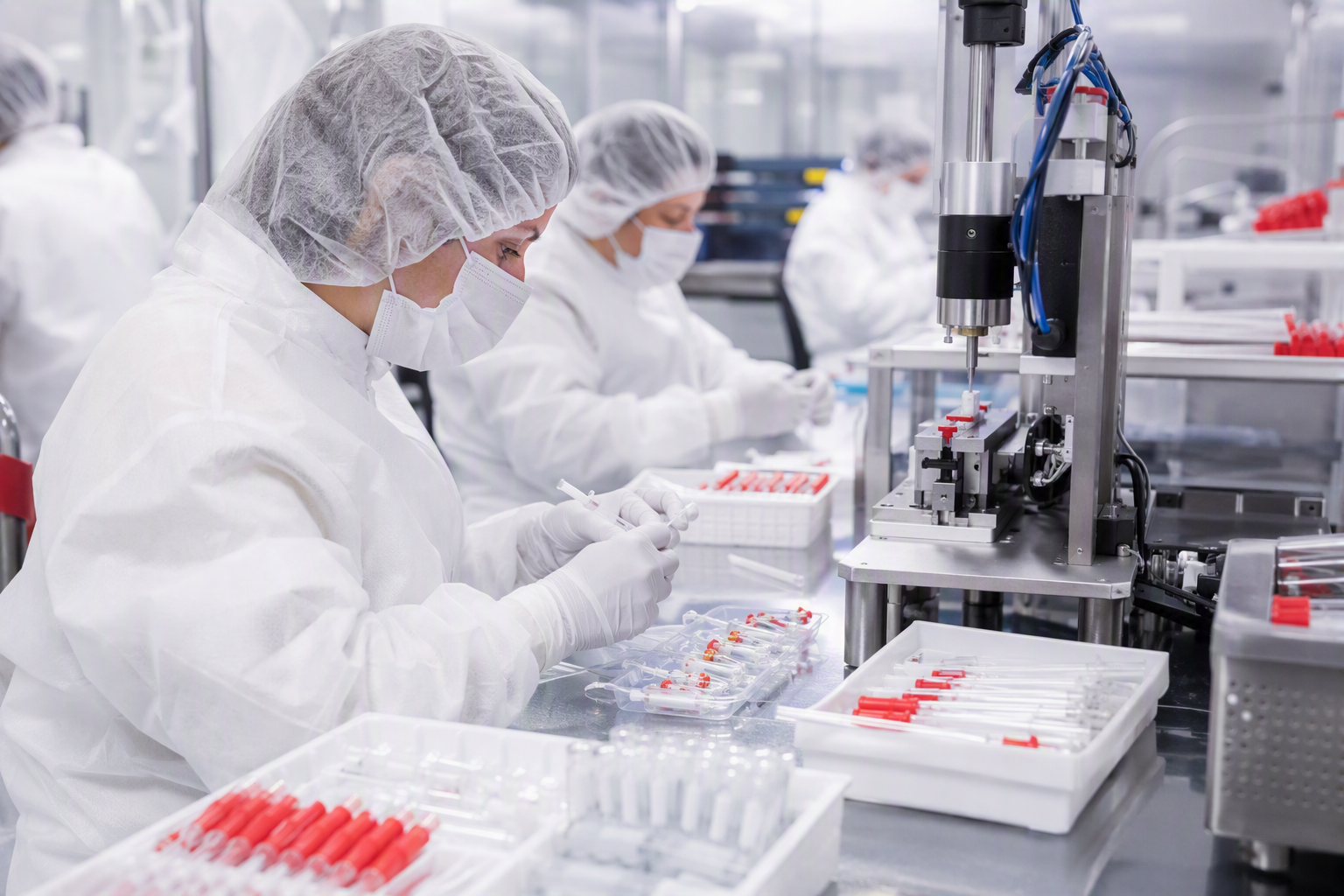
A cleanroom classification tells you the environment is controlled. It doesn’t tell you the assembly itself is repeatable. That comes from documented processes and controlled work instructions that hold fit, function, and device performance consistent from the first unit to the ten-thousandth — and from a labor, equipment, and automation strategy that can flex as a program scales from initial production into higher volumes without the process itself changing underneath it. Consolidating component manufacturing, assembly, and secondary operations with one accountable partner also removes a failure point OEMs don’t always see coming: the handoff itself, where a component built to spec by one vendor still has to be re-verified before a second vendor will assemble it.
Ultrasonic & Spin Welding: Strong Bonds Without Adding Parts
Joining molded components directly — rather than through adhesives or mechanical fasteners — removes both a material and a manual assembly step from the process. Ultrasonic and spin welding produce durable bonds engineered around in-process controls that verify the joint meets functional and performance requirements as it’s made, not after the fact, and controlled welding parameters keep cycle times and bond quality consistent as volume scales.
Cannula & Needle Assembly: Precision Where Retention and Alignment Can’t Slip
Cannula, needle, and hub assembly leaves little room for variability. Precision flaring forms the mechanical features that retain a cannula or needle securely within its molded hub or assembly, and cannula, hubs, handles, and related components are assembled to defined dimensional and performance requirements rather than fit-by-feel. Critical assembly characteristics get verified in-process to confirm proper alignment, secure retention, and consistent function before the component moves on.
MOVING FROM FINISHED COMPONENTS TO A PRODUCTION-READY DEVICE?
Talk to Red Star’s assembly team about welding, cannula and needle integration, marking, and cleaning, plus Class 7/8 cleanroom device assembly and packaging — all under one roof.
Laser Marking: Permanent Identification, Built for Traceability
Part numbers, lot information, measurement indicators, and other required markings only do their job if they hold up for the life of the device and stay legible across every unit in a lot. Controlled laser marking delivers permanent, repeatable placement and clarity across production quantities, supporting the identification and tracking requirements that follow a device through manufacturing and into the field.
Passivation & Automated Cleaning: Getting Components Ready for What’s Next
Stainless-steel components pick up manufacturing contaminants that have to come off before assembly, packaging, or sterilization can proceed. In-house passivation supports the protective surface condition of the base metal, and a fully automated Elma clean line delivers controlled, repeatable cleaning that removes the variability of a manual process — so what moves to the next step is a clean, production-ready component, not one that still needs to be re-verified.
- Documented assembly processes and controlled work instructions that hold fit, function, and performance consistent from first unit to full volume
- Ultrasonic and spin welding with in-process controls, joining components without adhesives or added fasteners
- Precision cannula and needle flaring and assembly, verified for alignment, retention, and function
- Permanent laser marking for product identification and traceability across production quantities
- In-house passivation and automated Elma-line cleaning for consistent, production-ready components
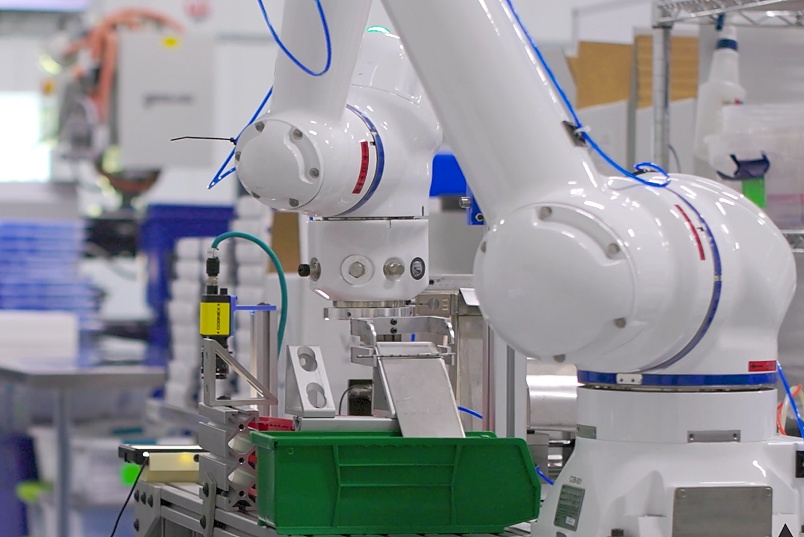
None of these steps are difficult in isolation — a weld, a flare, a mark, a clean cycle. What’s difficult is holding all of them to the same standard, unit after unit, when they’re split across separate vendors with separate quality systems and separate work instructions. Red Star performs welding, cannula and needle integration, marking, passivation, and cleaning alongside device assembly and packaging carried out in the same Class 7/8 cleanroom — all under one roof — so a device moves from finished components to a packaged, production-ready product without ever leaving the building, backed by one quality system from start to finish.