Not every medical device component can be molded. Implant and instrument components machined from titanium, stainless, or PEEK stock often need a sequence of processes to get from bar stock to a finished part — multi-axis milling for a complex geometry, Swiss turning for a small-diameter feature, grinding or EDM for a profile conventional machining can’t reach, and secondary finishing before the part is ready for assembly. Every handoff between specialty vendors along that chain is a place where a tolerance can drift, a surface finish can vary, or a traceability record can break. For components that can’t take a shortcut, how many vendors a part travels through before it’s finished matters as much as the tolerance on any single dimension.
Complex Geometries Start With Process Control, Not Just Equipment
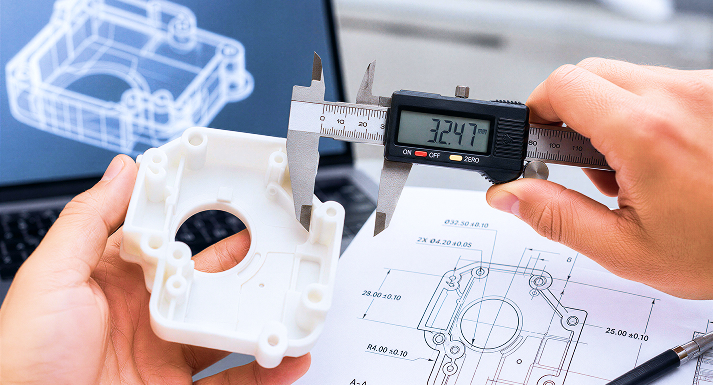
Producing intricate features, challenging profiles, and critical dimensions within a single, controlled machining process is what separates a part that’s merely in spec from one that’s repeatably in spec. Advanced multi-axis equipment gets a component most of the way there, but tight tolerances held consistently across prototype and production quantities come from experienced machinists and integrated engineering, manufacturing, and quality teams who identify potential challenges early and maintain control throughout the run — not just from the machine itself.
Swiss CNC Turning: Precision for Small, Slender Components
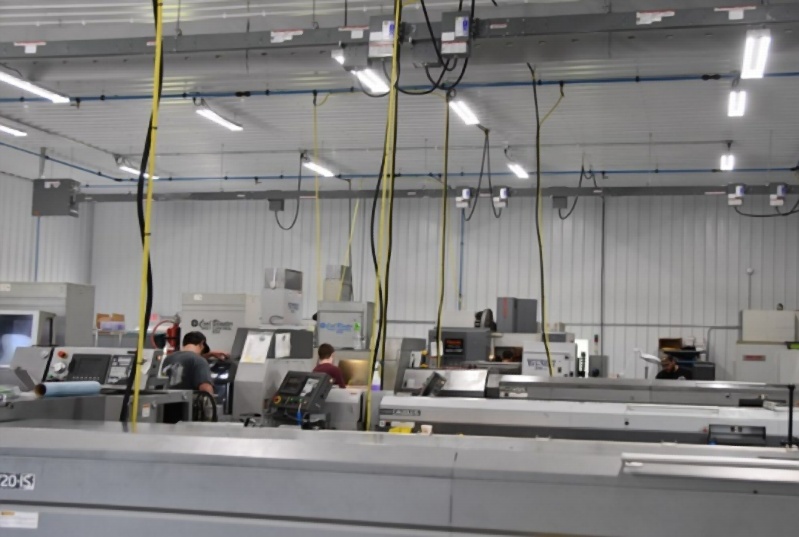
Small-diameter, slender medical components need a process built specifically for them. Swiss turning holds exceptional dimensional accuracy and surface quality on miniature components that would flex or chatter under conventional turning, and completing multiple turning and milling operations in a single setup keeps throughput and consistency high without adding extra handling steps. As program volumes increase, that same automated setup supports repeatable quality at cost-effective output — the process doesn’t have to change between a first article and a high-volume run.
Grinding & EDM: Reaching the Features Conventional Machining Can’t
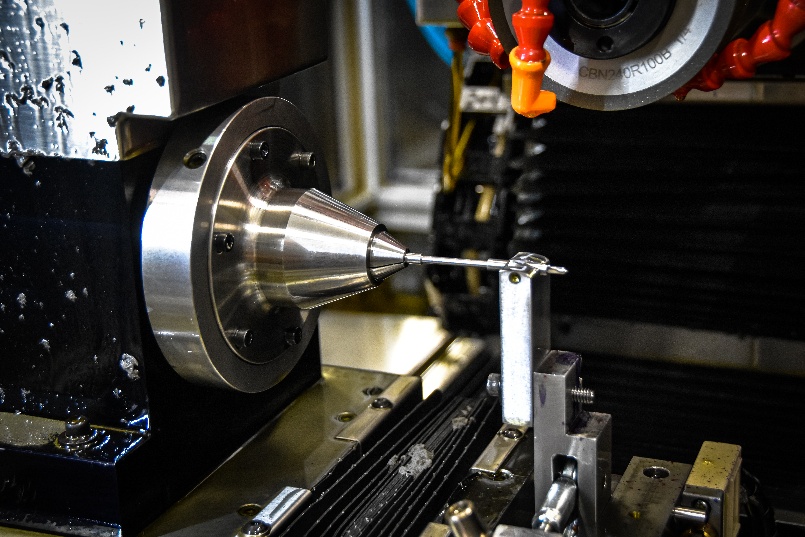
Some features simply aren’t reachable by cutting tools alone. Precision grinding maintains exact diameters, profiles, tolerances, and surface finishes on critical dimensions, while wire and sinker EDM produce narrow slots, sharp internal features, and intricate profiles that conventional machining can’t cut. Together, they’re what turns a component that machines close to spec into one that fits, functions, and performs exactly as designed.
DOES YOUR COMPONENT NEED MORE THAN ONE MACHINING PROCESS TO FINISH?
Talk to Red Star’s machining team about multi-axis CNC, Swiss turning, grinding, and EDM — all under one roof, on one quality record.
Secondary Operations & Finishing: Getting the Component to Assembly-Ready
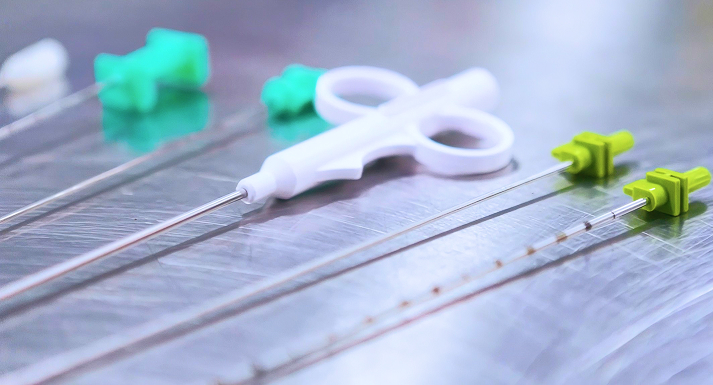
A finished component is rarely finished after the last cut. In-house access to passivation, laser marking, cannula flaring, cleaning, and other value-added services means those steps happen under the same quality system as the machining itself, with process control and product identification carried through each stage — so what arrives is production-ready for assembly, packaging, or integration, not a part that still needs another vendor’s queue before it’s usable.
One Vendor for the Full Process Chain
The value of holding multi-axis machining, Swiss turning, grinding, EDM, and secondary finishing under one roof isn’t any single capability — it’s that a component doesn’t have to leave the building to get all the way to assembly-ready. Fewer handoffs means fewer places for a tolerance, a finish, or a traceability record to slip between processes.
- Multi-axis CNC machining for complex geometries and critical dimensions, backed by integrated engineering, manufacturing, and quality control
- Swiss CNC turning for small-diameter, slender components, with multiple operations completed in a single setup
- Precision grinding and wire/sinker EDM for exact profiles and intricate features conventional machining can’t reach
- In-house secondary operations — passivation, laser marking, cannula flaring, cleaning — for consistent quality and traceability
- One process chain, one quality record, from raw stock to a production-ready component
A component that has to travel between a machining shop, a Swiss turning house, a grinder, and a finishing vendor picks up risk at every stop — a different quality system, a different tolerance interpretation, a different queue. Because Red Star runs multi-axis machining, Swiss turning, grinding, EDM, and secondary finishing under one roof, a complex component moves through its entire process chain inside a single quality system, with the same engineering and quality teams accountable for it from raw stock to the part that ships for assembly.