Ambulatory surgical centers (ASCs) are now handling a growing share of orthopedic procedures that once belonged exclusively to hospital operating rooms, and that shift is putting new pressure on how surgical instrumentation gets designed, packaged, sterilized, and delivered. For OEMs supplying this market, the winning strategy increasingly runs through single-use surgical kits — and a contract manufacturing partner built to get them to market fast.
Why ASCs Are Betting on Single-Use Instrumentation
The U.S. ASC market has grown from roughly $40 billion in 2024 to an estimated $42 billion in 2025, and it’s on pace to reach $57.4 billion by 2034. Orthopedics is one of the fastest-growing specialties inside that shift: more than 600 ASCs across the country are now performing total joint replacements, a number that keeps climbing as CMS continues expanding its ASC-covered procedures list to include more hip, knee, and shoulder codes.
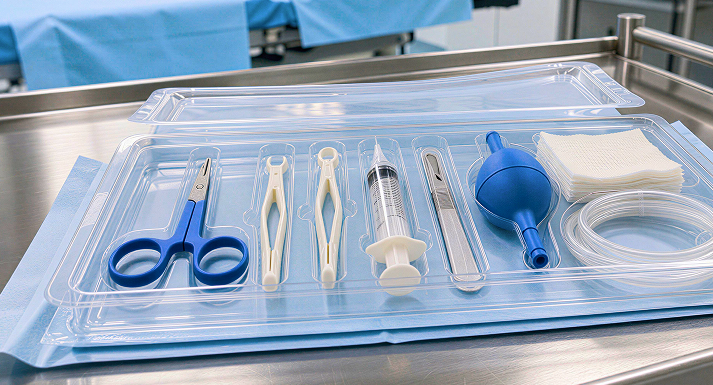
What’s pulling surgeons and facility administrators toward single-use kits isn’t convenience — it’s infrastructure. Most ASCs are built lean, without the sterile processing departments, autoclave capacity, or biomed staffing that a hospital OR takes for granted. Reprocessing a single tray of reusable instruments between cases can take up to three hours, a bottleneck that caps how many procedures a center can turn in a day. Single-use kits arrive pre-sterilized and ready to open, eliminating that turnaround entirely while removing the cross-contamination risk that comes with improperly reprocessed trays.

For orthopedic OEMs, this is more than a packaging preference — it’s a shift in what “market-ready” means. A product built for the ASC channel has to compete on total cost per case, not just device performance, and it has to move through design, sterile barrier packaging validation, and sterilization qualification fast enough to catch the window while a procedure is newly added to the ASC-covered list.
That’s exactly where the right manufacturing partner earns its keep. At Red Star, we work with orthopedic OEMs to take single-use kits from concept to case-ready tray without the validation drag that slows most launches down.
Built for Speed: Pre-Validated Packaging and a Validated Gamma Cycle
One of the biggest hidden costs in launching a single-use kit is sterile barrier packaging validation — the ISO 11607 testing required to prove a package protects sterility through distribution and shelf life. Red Star’s pre-validated packaging platforms let OEMs design new trays and pouches around configurations we’ve already qualified, so a new kit inherits a proven package family instead of starting a validation study from zero.
The same logic applies to sterilization. Rather than commissioning a stand-alone dose validation for every new SKU, when applicable, qualifying products into Red Star’s already-validated gamma cycle lets OEMs sterilize new single-use kits under an established, audited process — cutting weeks, sometimes months, off the path from first article to first case.
READY TO GET YOUR SINGLE-USE KIT TO MARKET FASTER?
Talk to Red Star’s engineering team about pre-validated packaging, gamma sterilization, and cleanroom kitting for your next ASC-ready product.
Design, Assembly, and Kitting Under One Roof
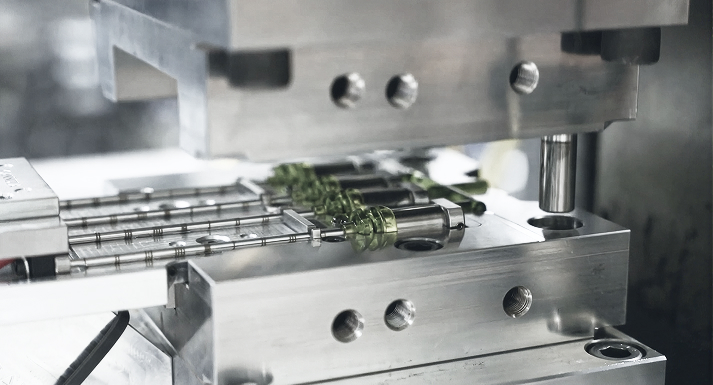
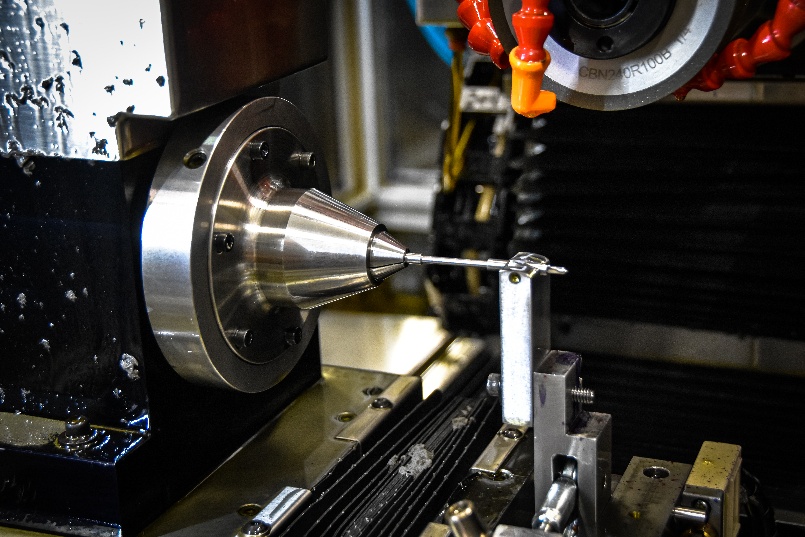
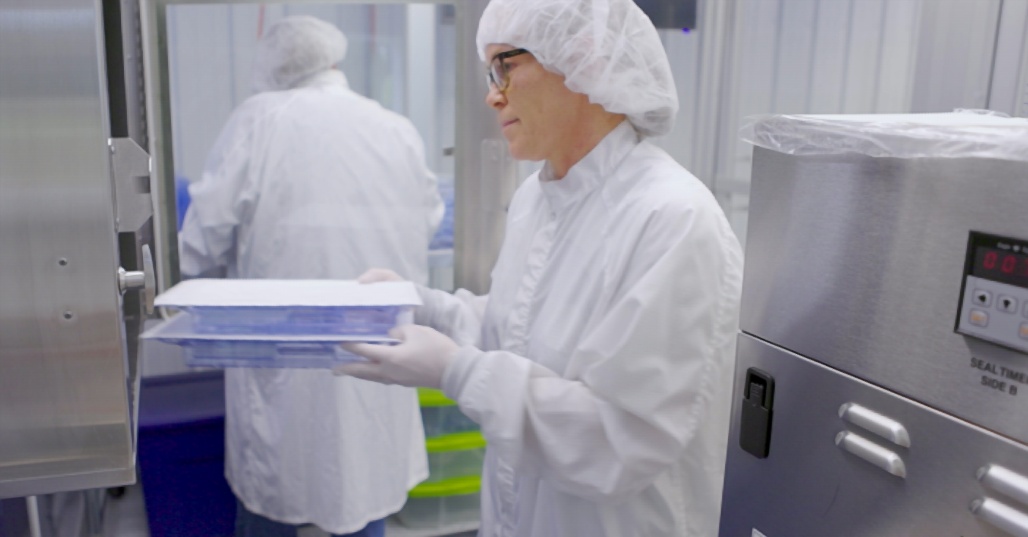
Speed to market only matters if the product itself is priced to compete in an ASC setting. Red Star’s engineering team partners with OEMs early to design low-cost, single-use instrumentation — value-engineered alternatives to reusable stainless trays that hold the same fit, function, and surgeon feel at a fraction of the reusable cost. From there, every kit moves through our Class 7 and Class 8 cleanroom assembly and kitting space, so trays are built, packaged, and kitted in a controlled environment without shipping components out to a second facility.
- Low-cost, single-use instrument design and development engineered to match surgeon function without reusable-stainless cost
- Class 7 and Class 8 cleanroom assembly and kitting under one roof, reducing hand-offs and lead time
- Pre-validated sterile barrier packaging and an established gamma sterilization cycle that shortens time-to-market for new SKUs
The ASC channel isn’t slowing down, and neither is the shift toward single-use instrumentation. OEMs who partner with a contract manufacturer that already has the packaging, sterilization, and cleanroom infrastructure validated and running will be the ones who get new products into surgeons’ hands first. That’s the role Red Star plays for our orthopedic partners — turning ASC market growth into a launch advantage instead of a launch bottleneck.